Home / Health & personal care / Electric toothbrushes / Philips Sonicare ProtectiveClean 4100

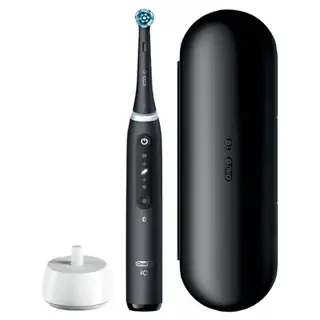
Philips Sonicare ProtectiveClean 4100
A simple, affordable sonic brush that cleans impressively well
 Loupe's take: Experts and owners agree on this one. Who's Loupe?
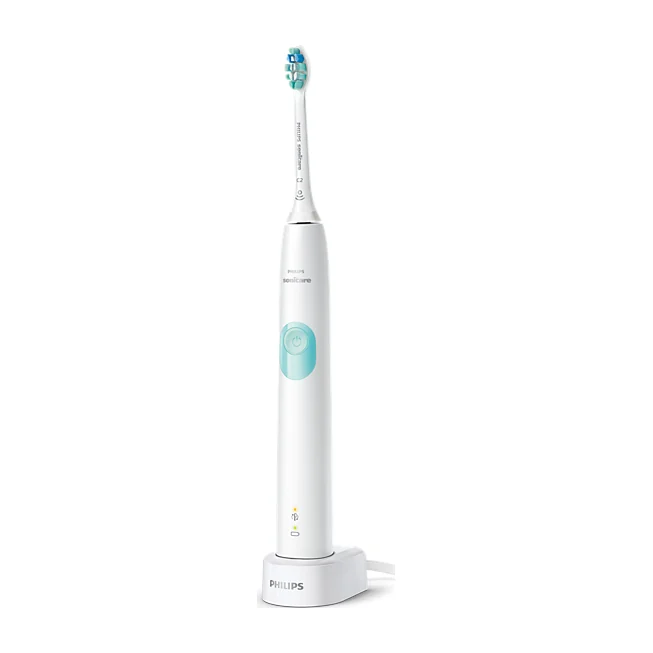
Photo: Philips Sonicare
 Consumerreports
 Amazon
 Google Shopping
 Reddit
 YouTube
See how we scored it
Updated October 25, 2026
Of the 4 expert sources, 3 tested it hands-on and all 3 praised its cleaning. The fourth, Consumer Reports, showed no visible conclusions. Owners agree: 48% of 143 comments praise cleaning and 18% praise value, and it holds 4.6 stars across about 55,500 Amazon ratings. Reliability is the weak spot, scoring 60: 16% of comments mention failures, 10% say the brush broke or died, and 4% report charger problems. Battery evidence is mixed, ranging from about 2 weeks on high intensity to 49.5 days measured by one tester, and expert coverage is thin with only 2 published scores, so confidence is medium.
What each expert concluded
The reviewers found it an affordable, simple, effective electric toothbrush that cleans very well and is easy to use, with only minor shortcomings in accessories and charging setup.
Hands-on review · open the review ↗The reviewer considers the 4100 Series one of the best electric toothbrushes overall, praising its excellent cleaning, essential dentist-recommended features and fair price, while noting the short battery life and lack of extras.
Hands-on review · open the review ↗~7.5/10The writer found the Sonicare ProtectiveClean 4100 a powerful, traditional electric brush with handy extras and a smaller head, ideal for those wanting intense cleaning, though it may feel too strong for sensitive teeth and costs more than Quip.
Hands-on review · open the review ↗The page is a paywalled shell that only describes Consumer Reports' lab test criteria (cleaning, ease of use, battery performance, noise) for the Sonicare 4100 Series, with no actual scores or conclusions visible.
Roundup · open the review ↗Verdicts paraphrased; open a card to read the original. How we score
 The verdict in 10 seconds
 A great fit if
- You're new to electric toothbrushes and want something simple to start with
- You have sensitive gums and want a brush that eases you in gently
- You want strong cleaning and the essential features without paying for extras
 May not suit you if
- You travel often and want a case and a compact charger
- You want cheap replacement heads over the long run
- Long-term durability matters more to you than upfront price
 What owners love and complain about
What they love
What they complain about
Share of 143 owner reviews and comments that mention each topic.
 The short version
This is a no-fuss brush: one button, a built-in timer, and a sensor that warns you when you're pressing too hard. Its standout strength is cleaning, leaving teeth feeling properly scrubbed for a modest price. The catches are a slow charge, no travel case, pricey replacement heads, and some units that quit early. It suits first-time electric brush users and anyone who wants the essentials without paying for extras.
 We researched 4 expert reviews, analyzed 55,645 owner ratings and
comments across 8 sources, and cross-checked them into one verdict, so you don't have to.
 Ratings across the web
AmazonGoogle ShoppingRedditYouTubeShop ratings lean positive (happy buyers, brand-moderated stores); forums lean critical (people post problems). Our owners score weighs both equally.
 Quick answers
Is the Philips Sonicare ProtectiveClean 4100 the best electric toothbrush?
For most people who want the basics done well, it's a top contender. It cleans as well as pricier brushes and keeps only the features that matter, though it skips extras like a travel case or an intensity indicator.
Based on: Three hands-on reviewers praise its cleaning; one calls it among the best overall.What is the top rated electric toothbrush, and is the ProtectiveClean 4100 one?
Yes, it's one of the most highly rated, especially among everyday users. People consistently love how clean it gets their teeth and how fair the price feels.
Based on: 4.6 stars from about 55,500 Amazon ratings; 48% of owner comments praise cleaning.Is the ProtectiveClean 4100 better than a regular toothbrush?
For cleaning, it does very well. It removes nearly all plaque, and its timer and pressure warning help you brush longer and more gently.
Based on: Two hands-on tests found near-complete plaque removal; all three note timer and sensor.Can you take the ProtectiveClean 4100 on a plane?
It depends on your airline's rules, but it isn't built for travel. There's no case, the base is fairly bulky, and full charging is slow. USB charging and a long-lasting battery do make trips easier.
Based on: Reviewers note no travel case and a bulky base; battery lasts two to seven weeks.Is the ProtectiveClean 4100 gentle enough for sensitive gums?
Usually, yes. It starts softly and ramps up over your first couple of weeks, and the low setting is mild, though a few people still find it too strong.
Based on: Two reviewers recommend it for sensitive gums; one warns of harshness; 3% of owners agree.How much does the Philips Sonicare ProtectiveClean 4100 cost?
Usually $40–$50 in the US. Prices move with sales, so check the current price.
Based on: Prices quoted in expert reviews and at Amazon.com.What does the Philips Sonicare ProtectiveClean 4100 cost to run?
Mostly replacement parts and supplies
- Replacement brush heads from about $8.32 to $10 each, about every 3 months
- About $44.96 per year for a four-pack of heads
- Optional head subscription from $7.99 every three months
- Heads cost about twice as much as Oral-B equivalents, per one reviewer
- Estimated total ownership cost of about $150 over 3 years
Has the Philips Sonicare ProtectiveClean 4100 been recalled?
No. We found no U.S. safety recalls for this model.
Based on: U.S. Consumer Product Safety Commission recall records.As an Amazon Associate we earn from qualifying purchases. It never changes a score.